
 English
 中文简体
中文简体
 Español


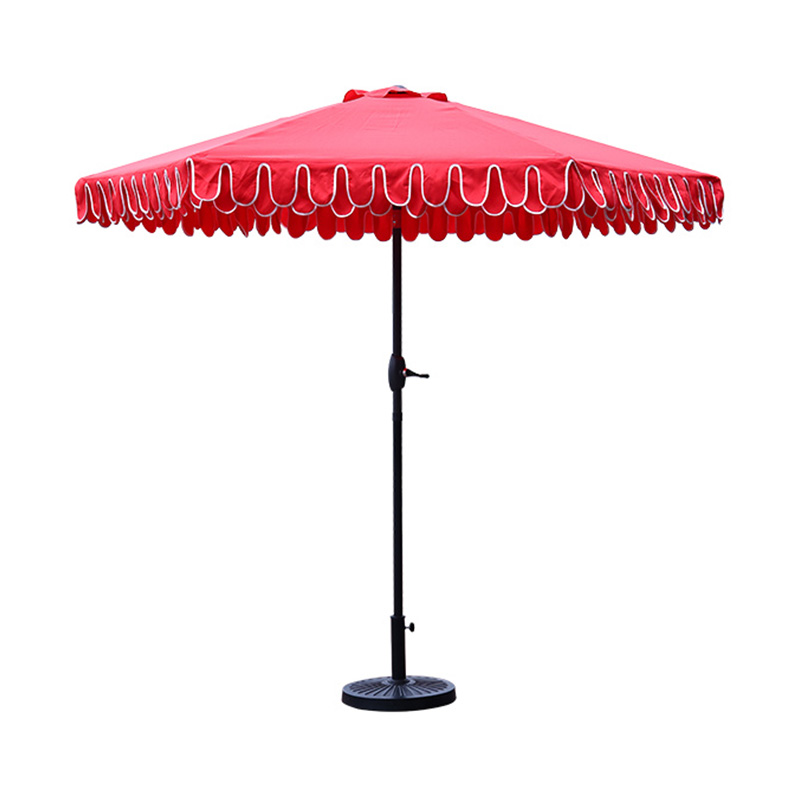
Aluminum Market Umbrella With Crank: Lightweight Shade for Outdoor Spaces
The aluminum market umbrella with crank has become a popular shading solution for outdoor dining areas, poolside lounges, and garden spaces requiring reliable sun protection with easy operation. This umbrella features a lightweight yet sturdy aluminum pole and ribs, with a convenient crank mechanism for smooth opening and closing. Recent market data indicates that aluminum market umbrellas have gained preference over steel alternatives due to their corrosion resistance, lighter weight, and comparable durability in commercial and residential settings.
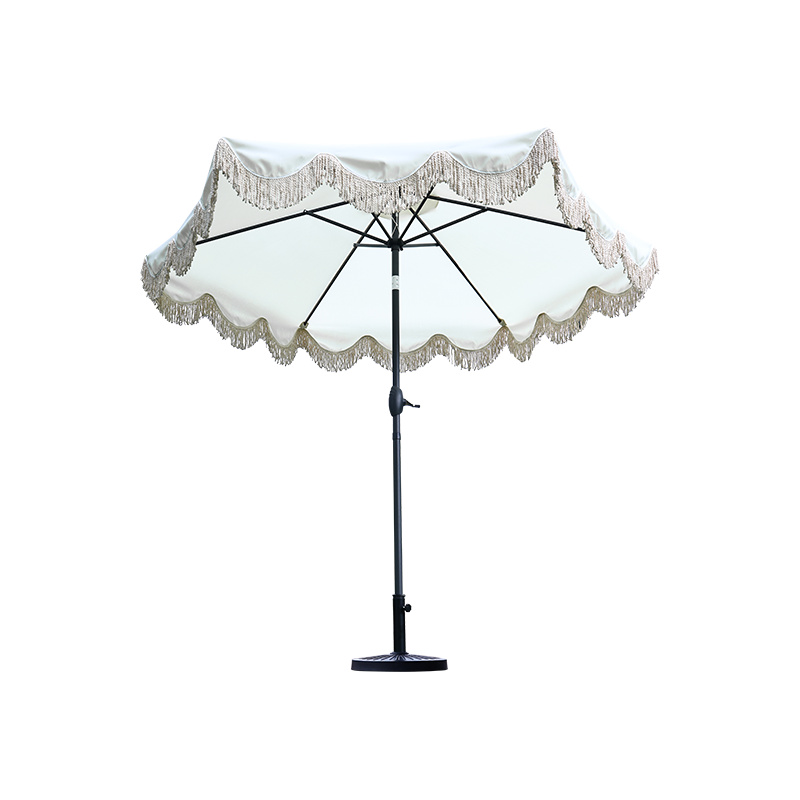
Frame Construction and Corrosion Resistance
The aluminum market umbrella with crank is constructed with a rust-resistant aluminum pole that provides stability without the weight of steel. The pole is typically anodized or powder-coated to enhance durability and resist weathering, making it particularly suitable for coastal or humid environments where steel umbrellas would corrode over time. The canopy is supported by aluminum ribs that create the traditional market umbrella silhouette, with a reinforced hub connecting the ribs to the pole and a locking collar securing the umbrella at the desired height. The center pole design allows for table installation through a central hole or freestanding use with a compatible base. The aluminum construction offers long-term corrosion resistance while remaining light enough for easy repositioning.
Crank Mechanism and Tilt Function
The crank mechanism is the primary operating feature of the aluminum market umbrella with crank, using a gear system that winds a rope or cable to open and close the canopy smoothly. The crank handle is designed for easy gripping and operation, with a locking system that holds the canopy securely in position. Many models include a tilt function that allows the canopy to be angled up to 45 degrees to follow the sun's movement throughout the day, big shade coverage during peak hours. The tilt mechanism is operated by a push-button or pull-pin system, and both the crank and tilt mechanisms are constructed from durable materials designed for frequent use. Regular lubrication of moving parts ensures continued smooth operation and extends the mechanism's service life.
Canopy Material and Size Options
The canopy is fabricated from solution-dyed acrylic or polyester fabric that offers outstanding colorfastness and UV protection. Key canopy features include:
- High UV protection ratings that block harmful rays;
- Fade resistance that maintains appearance over time;
- Water repellency for light rain protection;
- Easy cleaning with mild soap and water.
The canopy is available in multiple colors, patterns, and sizes to suit different applications. Common sizes include 6 to 7 feet for residential patios and bistro tables, 8 to 9 feet for commercial dining and lounge areas, 10 to 11 feet for poolside and resort settings, and 12 feet or larger for gathering areas. The canopy shape is typically round, square, or rectangular, with the size selection based on the area to be shaded and available space.
Base Compatibility and Selection Factors
The umbrella requires a compatible base to ensure stability, with options including cross-base designs for concrete or paver installation, center-pole bases with weight plates or water-fillable compartments, in-ground sleeves for permanent installation, and table mounting through a central hole. The base weight must be sufficient to prevent tipping, with heavier bases recommended for larger umbrellas and windy locations. When selecting an aluminum market umbrella with crank, buyers evaluate several important factors:
- Canopy size and shape for the intended coverage area;
- Aluminum pole and rib construction for durability and corrosion resistance;
- Fabric color and design for coordination with the setting;
- Crank and tilt mechanisms for ease of operation;
- Base compatibility for stability and installation.
Budget and warranty coverage also influence the selection process. Buyers should also check wind resistance and local safety requirements, verify that the umbrella size fits the intended space, and confirm that the base provides adequate stability for the umbrella size and typical weather conditions in their area.
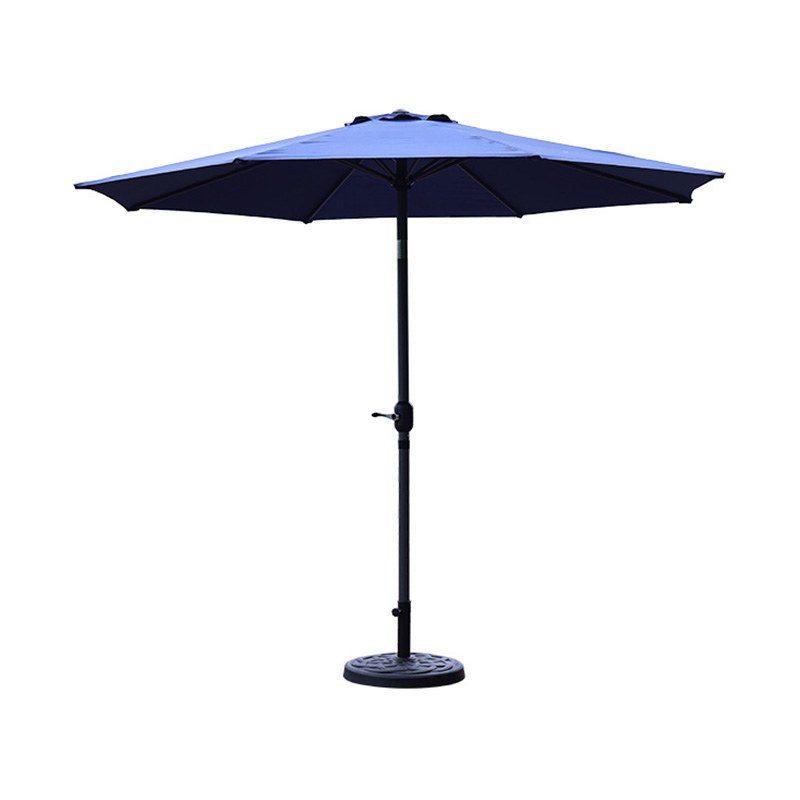

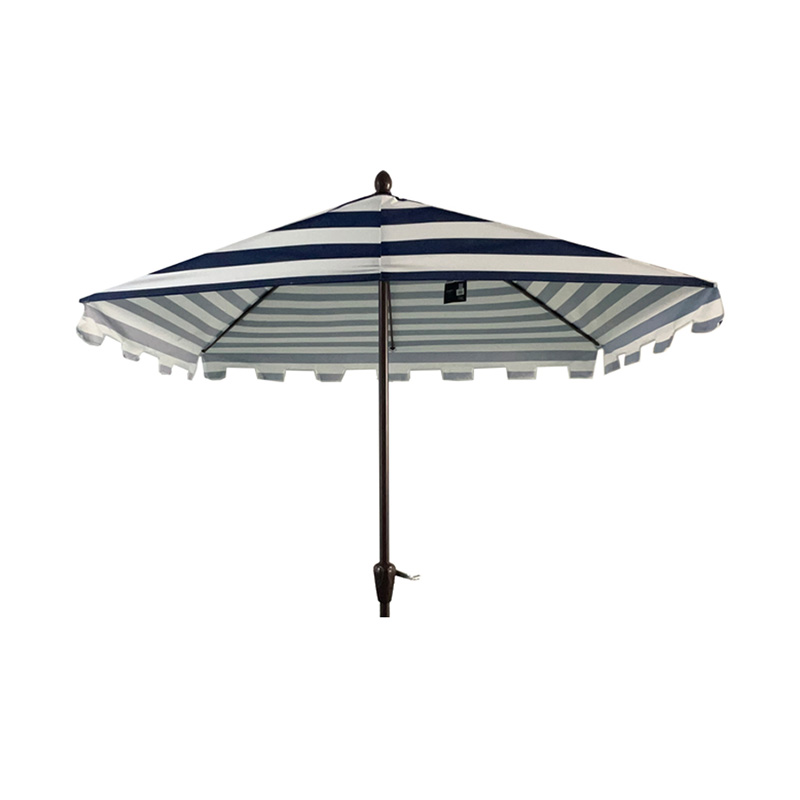
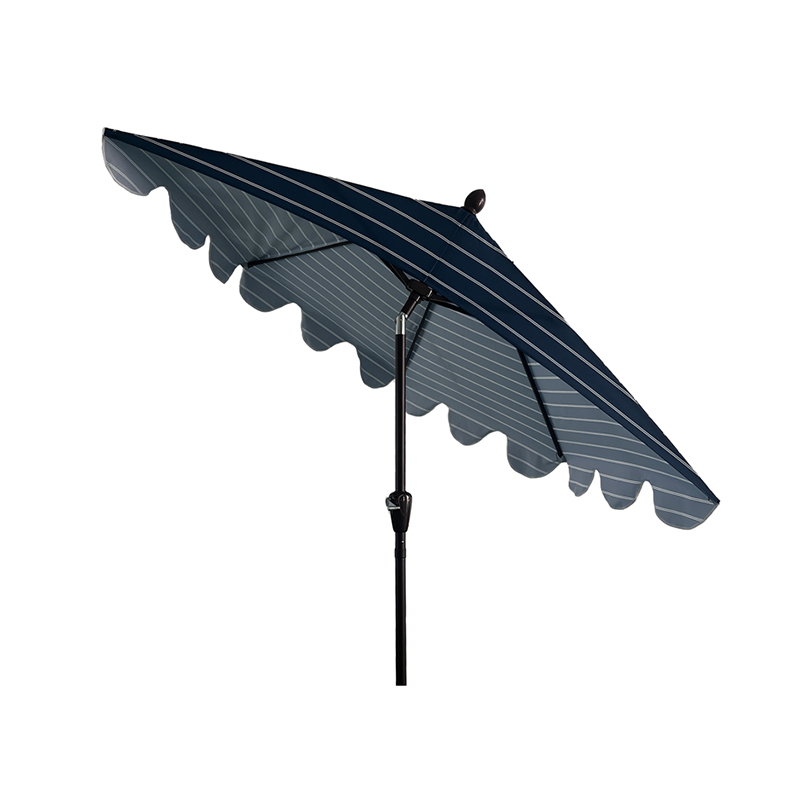
If you're interested in our products, feel free to contact us.
-
Tel
+86-13282608783Email
[email protected]Address
288 Jiangshi West Road, Linhai City, Zhejiang Province, China -
Links
Home Products About Us Support News Contact Us -
About
About Us Factory Certificate FAQ

Outdoor Furniture Manufacturer