
 English
 中文简体
中文简体
 Español


How to Pick Size & Base for Push-Up Patio Umbrella
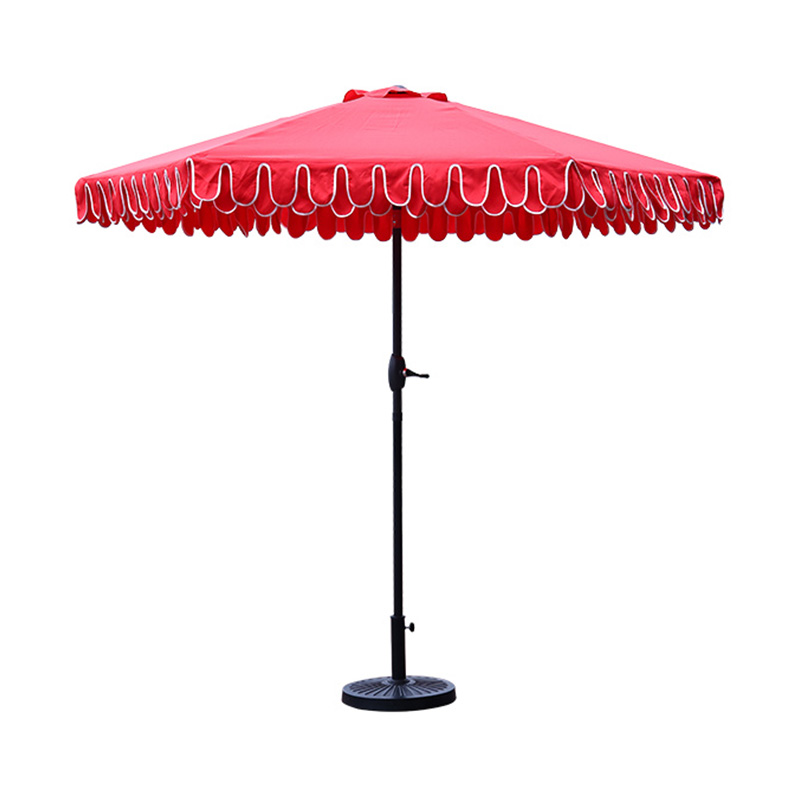
Selecting the right outdoor shade solution involves more than appearance alone. A Push-Up Patio Umbrella is often chosen for its straightforward structure and ease of use, but size and base selection play a critical role in how well it performs in daily settings. Many buyers overlook these details, which can affect both stability and coverage.
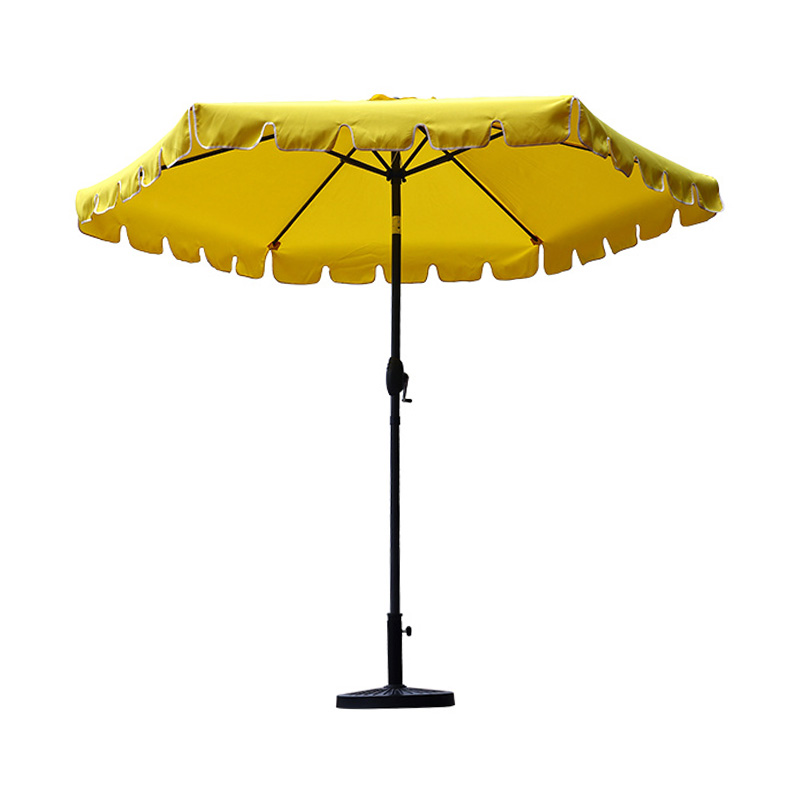
Understanding Umbrella Size Options
Outdoor umbrellas come in a variety of sizes, typically ranging from compact models around six feet in diameter to larger options designed for wider seating arrangements. Choosing the appropriate size depends largely on the space you want to cover.
For small café-style tables or limited balcony setups, a compact umbrella can provide enough shade without overwhelming the area. Medium-sized umbrellas are commonly used for standard outdoor dining tables, offering balanced coverage for several chairs. Larger options are suitable for open patios or lounge areas where broader shade is needed.
It is important to consider not only the diameter but also the height and clearance. Adequate headroom ensures comfort, especially when people are standing or moving around beneath the canopy.
Matching the Umbrella to Your Space
The relationship between the umbrella and the furniture underneath should be carefully planned. A common guideline is to choose a canopy that extends beyond the edges of the table or seating area. This helps maintain shade as the sun shifts throughout the day.
In compact spaces such as balconies, selecting a slightly smaller umbrella can prevent crowding. On open patios, a larger canopy can create a more comfortable shaded zone for gatherings or relaxation.
Importance of a Stable Base
The base of a Push-Up Patio Umbrella is essential for keeping it upright and secure. Without proper support, even a well-sized umbrella may become unstable, especially in outdoor conditions.
Heavier bases are generally required for larger umbrellas. The added weight helps resist tipping and provides a stable foundation during use. For smaller umbrellas, lighter bases may be sufficient, particularly in sheltered environments.
Types of Umbrella Bases
There are several base styles available, each suited to different needs:
- Freestanding bases are commonly used in open areas and can be placed independently.
- Table-supported bases work in combination with a table for additional support.
- Fillable bases allow users to add water or sand, offering flexibility in weight and portability.
Each type offers different advantages depending on how frequently the umbrella will be moved and where it will be used.
Compatibility with Push-Up Mechanism
Because a Push-Up Patio Umbrella requires manual force to open and close, the base must provide sufficient stability during operation. A base that is too light may shift when the umbrella is being raised.
It is also important to check the pole diameter and ensure it matches the base opening. A secure fit reduces wobbling and enhances overall stability.
Practical Considerations
When choosing size and base, think about how often the umbrella will be repositioned. Lightweight options are easier to move but may require extra care in windy conditions. Heavier bases offer more stability but can be less convenient to relocate.
Storage is another factor. Some users prefer bases that can be disassembled or emptied for easier handling during off-season periods.
Final Thoughts
A well-matched combination of umbrella size and base creates a more comfortable and reliable outdoor setup. By considering space, usage habits, and environmental factors, users can select a Push-Up Patio Umbrella that meets their needs without unnecessary complications.
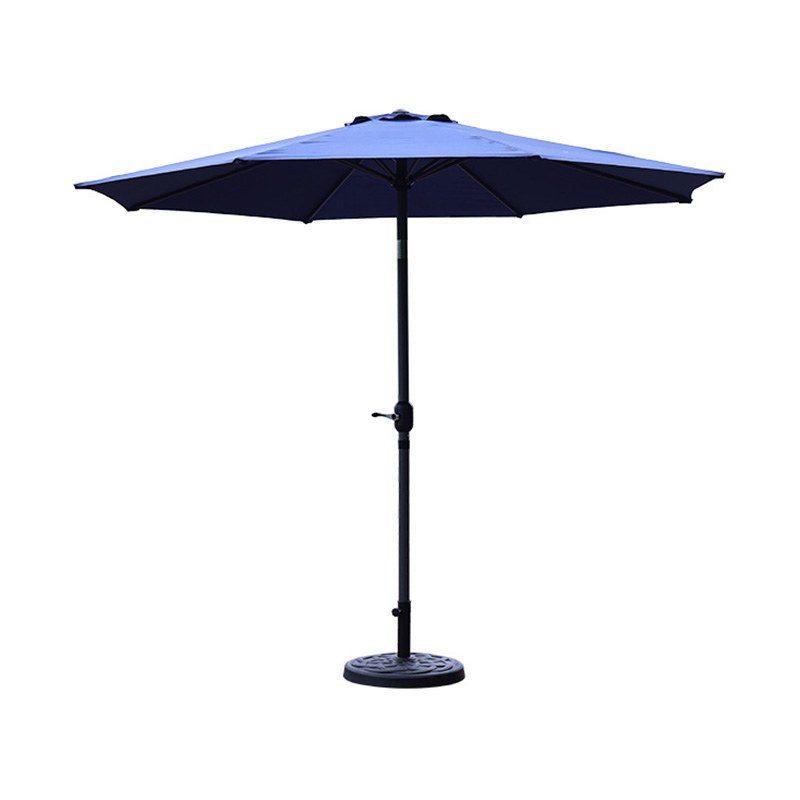

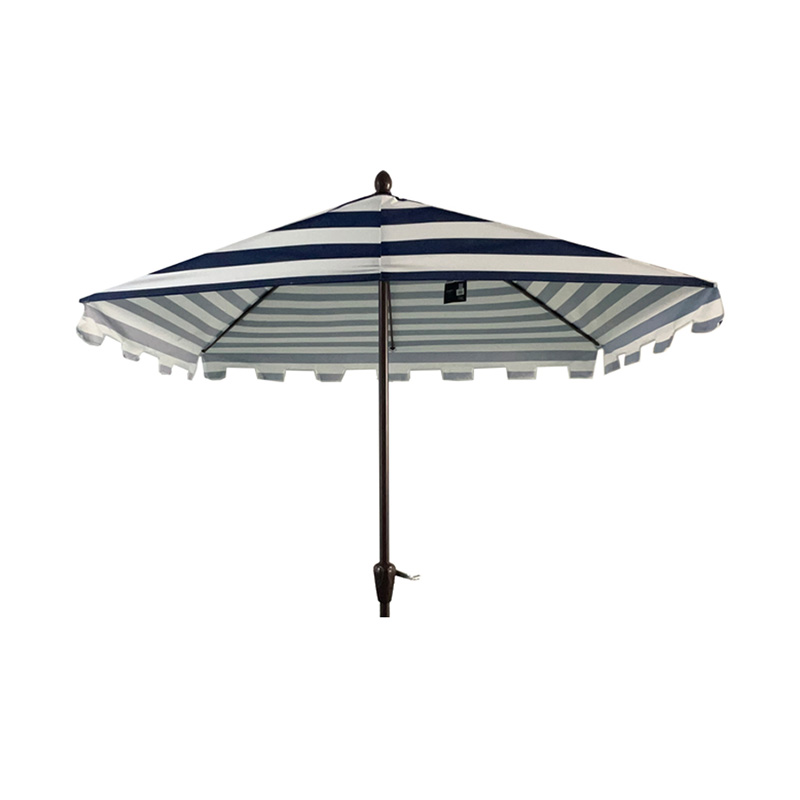
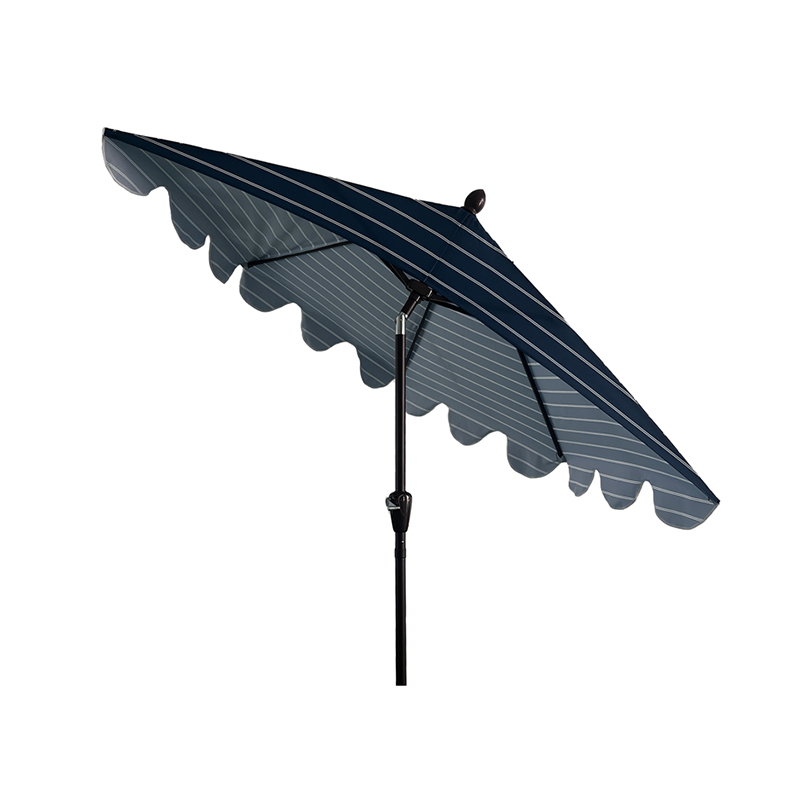
If you're interested in our products, feel free to contact us.
-
Tel
+86-13282608783Email
[email protected]Address
288 Jiangshi West Road, Linhai City, Zhejiang Province, China -
Links
Home Products About Us Support News Contact Us -
About
About Us Factory Certificate FAQ

Outdoor Furniture Manufacturer