
 English
 中文简体
中文简体
 Español


Market Umbrella / Patio Umbrella: How to Choose the Right One
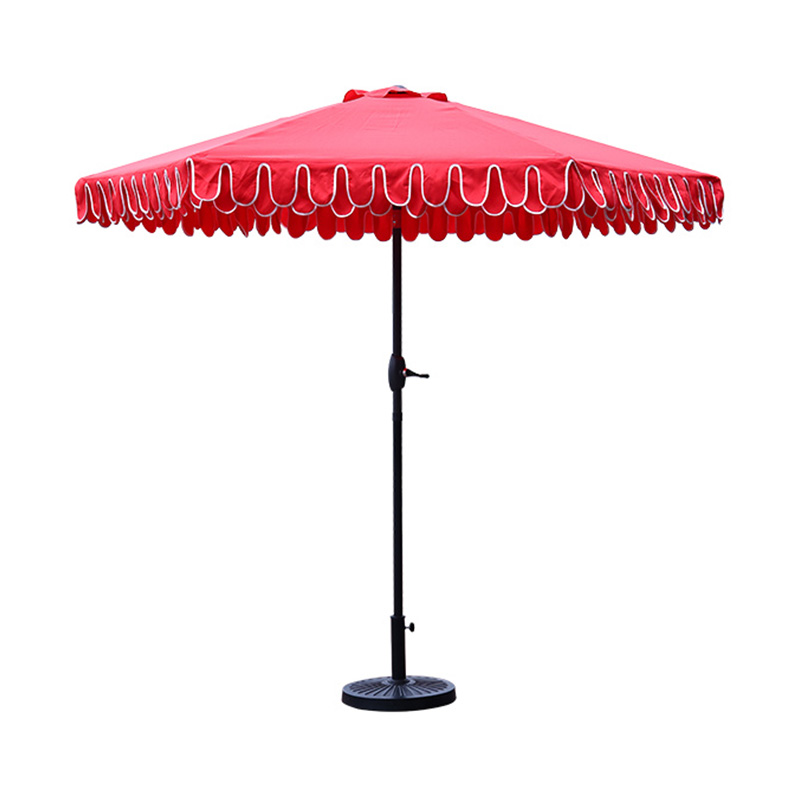
Market Umbrella / Patio Umbrella products are widely used in residential and commercial outdoor spaces. Choosing the right umbrella requires consideration beyond basic aesthetics. Factors such as the outdoor environment, user needs, and functional requirements all influence the selection process. By understanding these key elements, users can select an umbrella that provides shade, durability, and convenience, creating a comfortable and practical outdoor setup.
Assessing the Outdoor Space
The first step in choosing a market umbrella is evaluating the space where it will be used. The size of the patio, terrace, or garden area determines the coverage required. For smaller areas, compact umbrellas may be sufficient, while larger seating arrangements or open spaces may need umbrellas with extended canopies.
It is important to note the surrounding features of the area. Trees, walls, or other structures may limit the placement options or affect how sunlight moves throughout the day. Taking accurate measurements and observing sun patterns helps in selecting a design that provides adequate coverage without interfering with movement or furniture placement.
Determining Functional Requirements
Once the space is assessed, users should consider the desired functionality of the umbrella. Several factors influence the choice:
1. Opening and Closing Mechanisms
Market umbrellas come with different operation systems, such as crank handles, push buttons, or pulley mechanisms. The ease of opening and closing is particularly important for larger umbrellas, which can be difficult to adjust without mechanical assistance.
2. Tilting and Rotating Features
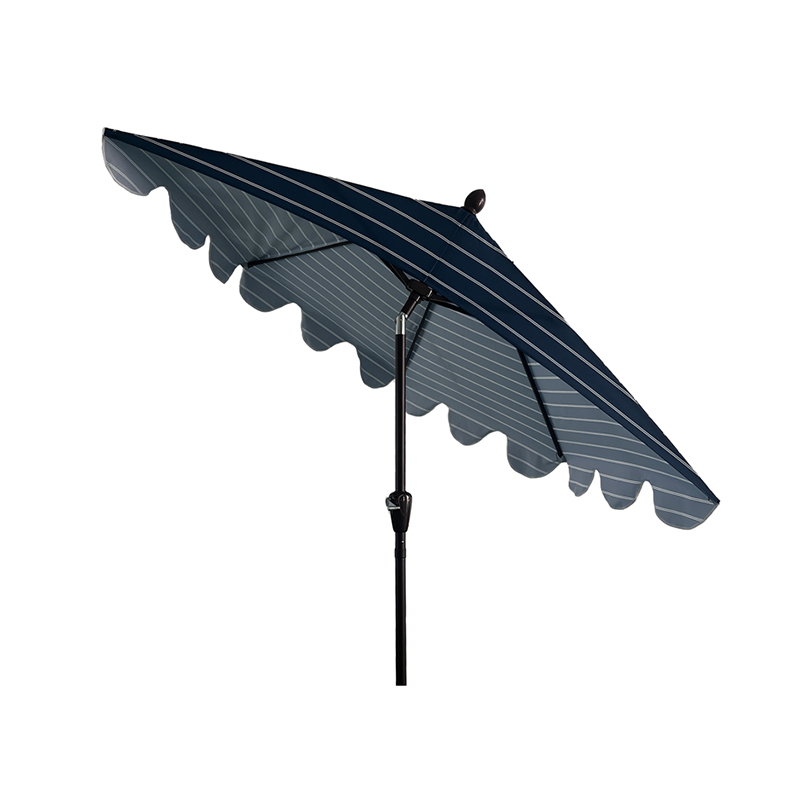
Adjustable canopies allow the umbrella to provide shade as the sun moves. Some models include tilting options, while others offer rotation capabilities to shift the canopy in multiple directions. Such features enhance comfort and usability in changing sunlight conditions.
3. Durability and Weather Resistance
Materials used for the pole, canopy, and joints determine how well the umbrella withstands outdoor elements. Poles may be made of aluminum, steel, or treated wood, each offering different levels of strength and longevity. Canopy fabrics resistant to UV rays, water, and fading help maintain performance over time.
4. Considering Aesthetic Preferences
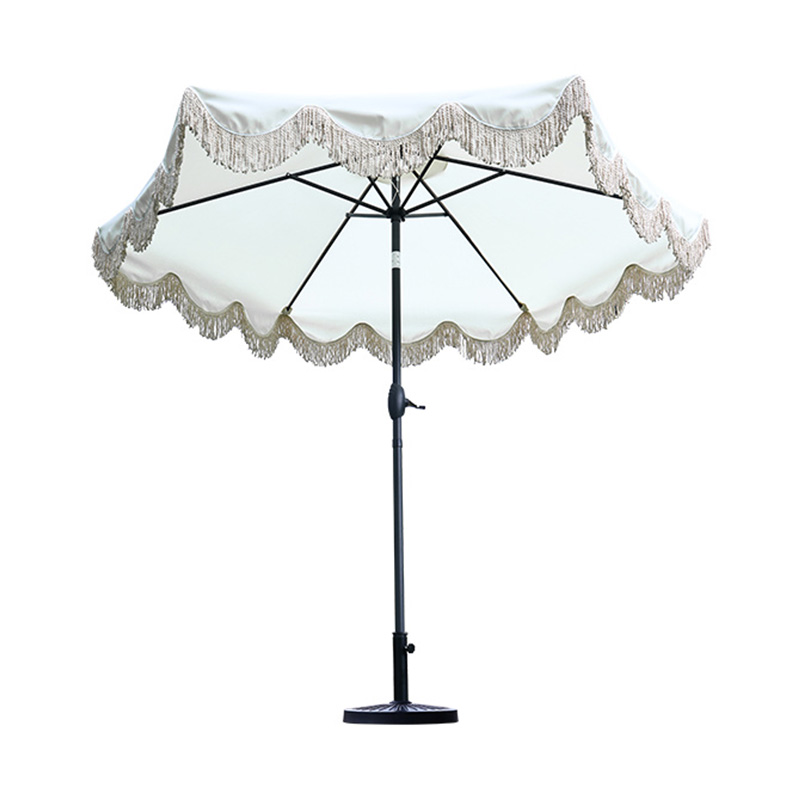
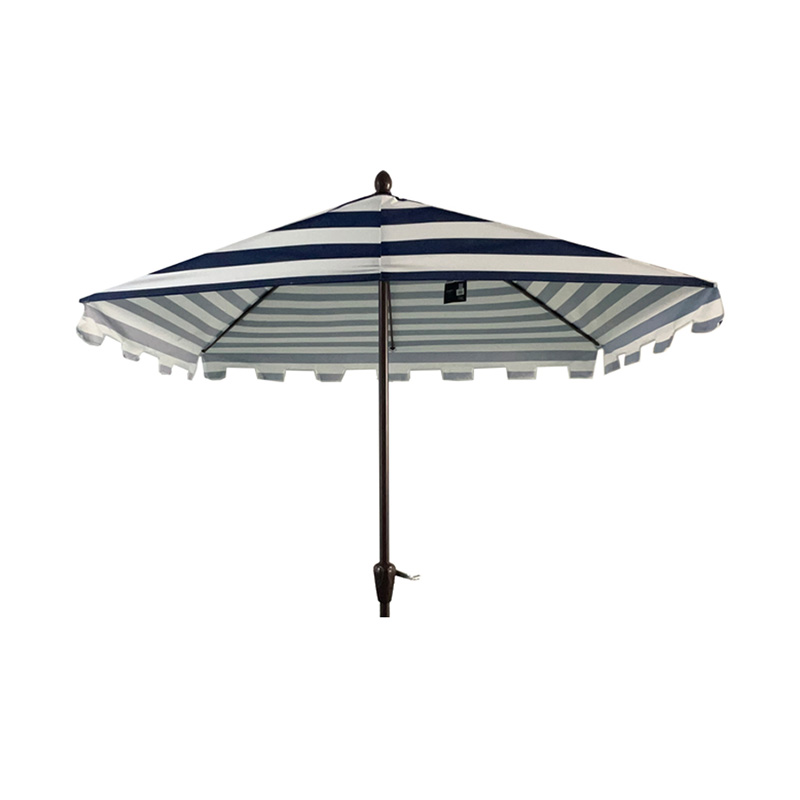
While functionality is critical, the visual impact of the umbrella should also be taken into account. Color, canopy shape, and pole design contribute to the overall appearance of the outdoor space. For example, neutral tones may blend seamlessly with garden furniture, while brighter colors can create a focal point.
Shape options such as round, square, or rectangular canopies not only influence coverage but also complement different layouts. Matching the umbrella style with surrounding furniture and decor enhances the overall outdoor ambiance.
Matching the Type of Umbrella to the Setting
Market umbrellas generally come in two primary types: center-pole and cantilever designs.
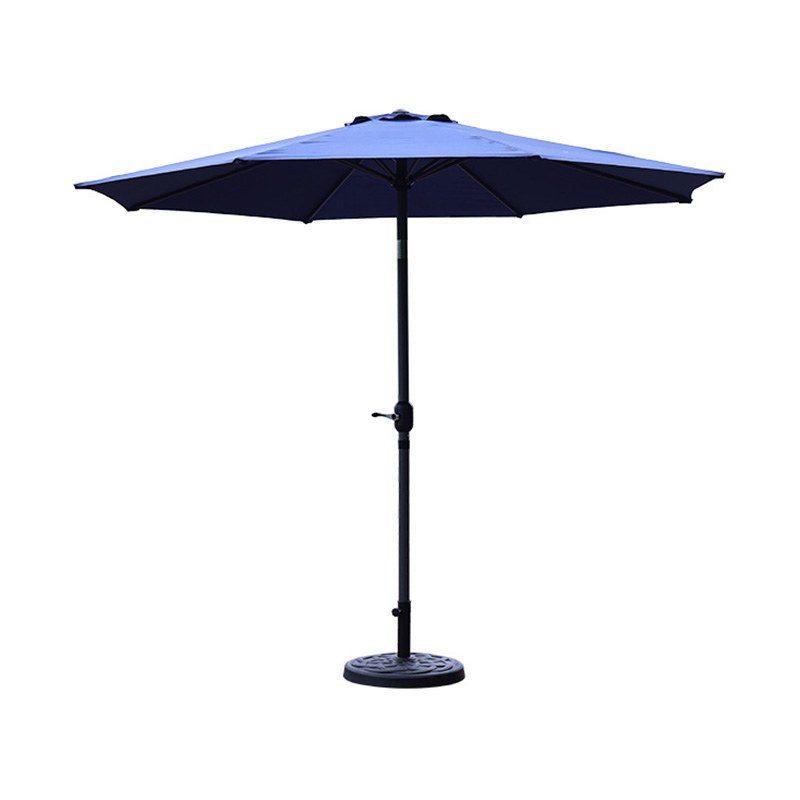
- Center-Pole Umbrella: This traditional design places the supporting pole in the middle of the canopy. It works well for tables and seating arrangements where a fixed position is preferred. Center-pole umbrellas are easy to install and maintain, making them suitable for both home and small commercial spaces.
- Cantilever or Offset Umbrella: Offset designs position the support pole to the side, allowing the canopy to extend freely over the area without obstruction. This type is ideal for larger seating arrangements or areas where flexibility in coverage is needed. Cantilever umbrellas often include adjustable tilt and rotation, enabling users to follow the sun’s movement and maximize shaded areas.
Practical Tips for Making the Decision
Several practical considerations help ensure the chosen umbrella meets the user’s needs:
- Check base compatibility: Ensure the base is compatible with the umbrella type and provides adequate stability.
- Evaluate adjustability: Consider if tilting or rotation features are necessary for your space and usage.
- Consider storage: Removable or foldable canopies are useful for storage during off-seasons or extreme weather.
- Maintenance needs: Choose materials that are easy to clean and resistant to outdoor wear.
Choosing Wisely for Comfort and Longevity
Selecting the right Market Umbrella / Patio Umbrella requires balancing space, functionality, and aesthetics. By assessing the outdoor area, identifying functional requirements, and considering the umbrella type and appearance, users can make informed decisions that enhance comfort and usability. Careful selection ensures the umbrella performs reliably under changing conditions and complements the outdoor setting, creating a pleasant environment for dining, relaxation, or gatherings.

If you're interested in our products, feel free to contact us.
-
Tel
+86-13282608783Email
[email protected]Address
288 Jiangshi West Road, Linhai City, Zhejiang Province, China -
Links
Home Products About Us Support News Contact Us -
About
About Us Factory Certificate FAQ

Outdoor Furniture Manufacturer