
 English
 中文简体
中文简体
 Español


Buyers Compare Size, Fabric, and Style When Choosing a Striped Market Umbrella
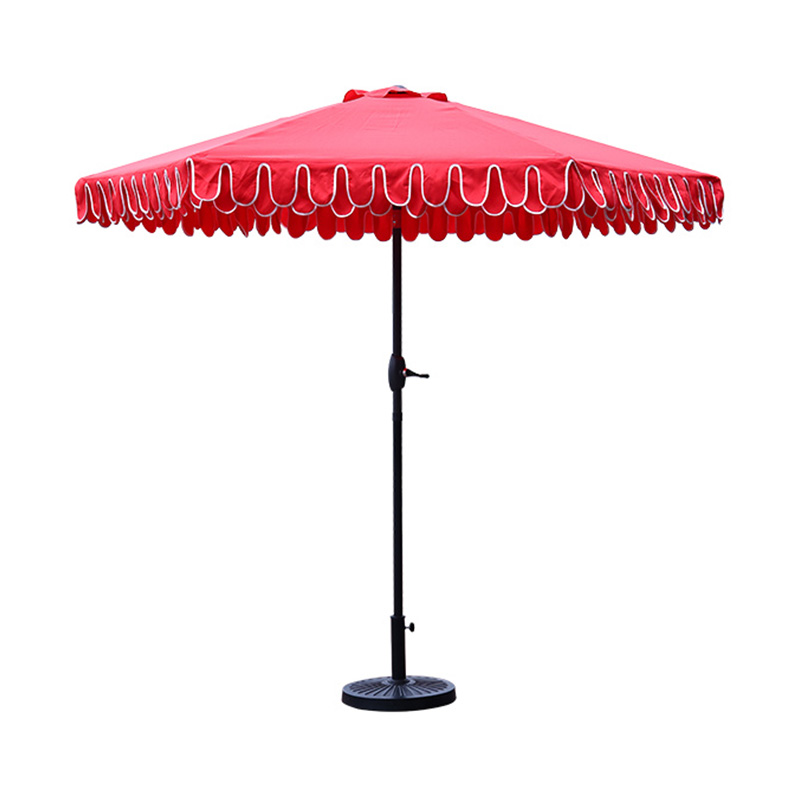
Outdoor living spaces have become more structured in design planning, and the selection of shading products now involves a wider range of considerations than before. In many residential patios and commercial outdoor areas, the Striped Market Umbrella appears as a common choice, especially where both function and visual coordination are taken into account. As users refine their outdoor setups, attention is increasingly placed on how different umbrella specifications interact with spatial layout, material performance, and decorative style.
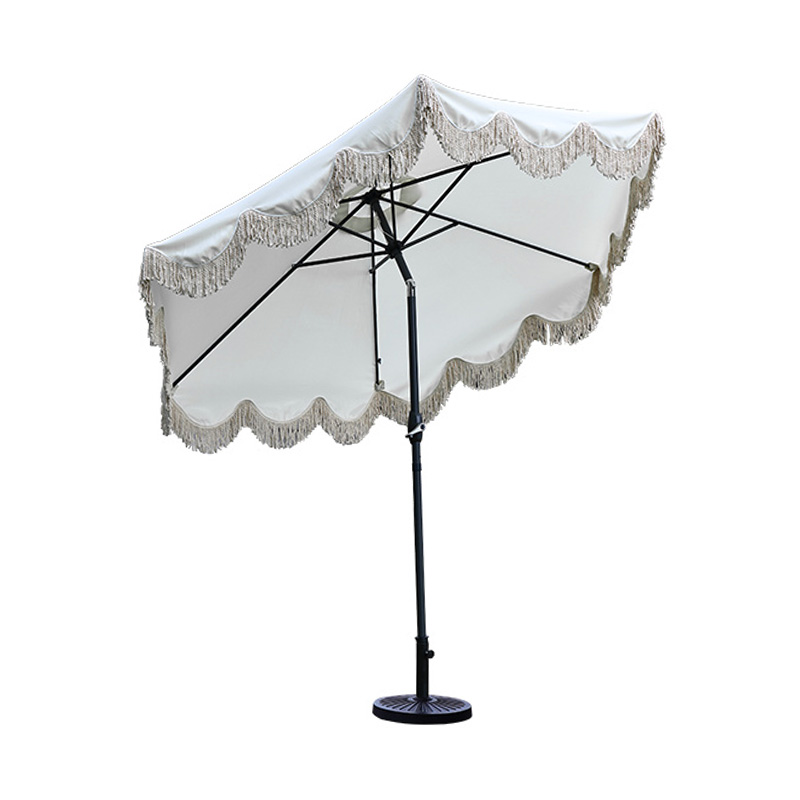
Expanding Attention on Outdoor Umbrella Selection
The process of choosing an outdoor umbrella is no longer limited to basic shading needs. Many users evaluate how an umbrella fits into the overall outdoor environment. The Striped Market Umbrella is often selected for its recognizable pattern design, which can complement dining sets, lounge chairs, and garden arrangements.
In many cases, buyers start by considering the intended environment. A compact balcony requires different dimensions compared to a wide backyard or a café seating area. This initial decision often influences all other selections, including fabric type and structural design.
Size Considerations in Outdoor Layouts
Size plays a central role in determining how effective an umbrella will be in covering a space. Smaller umbrellas are generally used for limited seating arrangements, while larger models are selected for open dining areas or shared gathering zones.
When evaluating size, users often consider:
- Table diameter and seating capacity
- Walking space around furniture
- Sun exposure direction throughout the day
- Flexibility in repositioning the umbrella
The Striped Market Umbrella is commonly available in multiple diameter ranges, allowing users to match shading coverage with spatial needs. A balanced proportion between umbrella size and furniture layout contributes to a more organized outdoor setting.
Fabric Selection and Material Expectations
Fabric choice has a direct impact on both appearance and long-term usability. Many buyers focus on how well the material performs under sunlight exposure and changing weather conditions. Common fabric categories include polyester-based materials and solution-dyed acrylic textiles.
Key considerations often include:
- Resistance to fading under sunlight
- Water-repellent surface performance
- Ease of cleaning after outdoor use
- Texture consistency and color stability
Striped designs may vary in contrast intensity and color combinations, which also influences how the umbrella visually integrates with surrounding décor. Neutral tones are often selected for calm environments, while stronger color contrasts may be used to create visual emphasis in open spaces.
Style Coordination in Outdoor Environments
Style has become an increasingly important factor in outdoor product selection. Many users aim to create a cohesive visual atmosphere across furniture, flooring, and shading structures. The Striped Market Umbrella is frequently chosen due to its ability to introduce pattern variation without overwhelming the overall design.
Common style directions include:
- Coastal-inspired arrangements with soft blue and white stripes
- Retro-style patios with warm-toned patterns
- Minimal outdoor layouts with muted stripe contrasts
- Garden spaces with natural wood and fabric combinations
The visual rhythm created by stripes can help define seating zones and enhance spatial structure in open areas.
Functional Features Supporting User Experience
Beyond size and appearance, functional design elements influence decision-making. Many umbrellas include adjustable tilt systems that allow angle changes based on the direction of the sunlight. Crank mechanisms are often used to support smooth opening and closing operations.
Ventilation openings at the top of the canopy are also commonly included to improve air circulation. This feature can help reduce wind pressure accumulation, supporting stability during outdoor use.
Growing Importance of Balanced Selection Criteria
As outdoor environments continue to evolve into more structured living spaces, users tend to evaluate multiple factors together rather than focusing on a single feature. The Striped Market Umbrella serves as an example of how design, material, and functionality intersect in everyday outdoor product choices.
Selection processes now often involve comparing how different combinations of size, fabric, and style interact within a specific environment. This approach reflects a broader shift toward more intentional outdoor space planning, where shading products contribute not only to comfort but also to spatial identity.
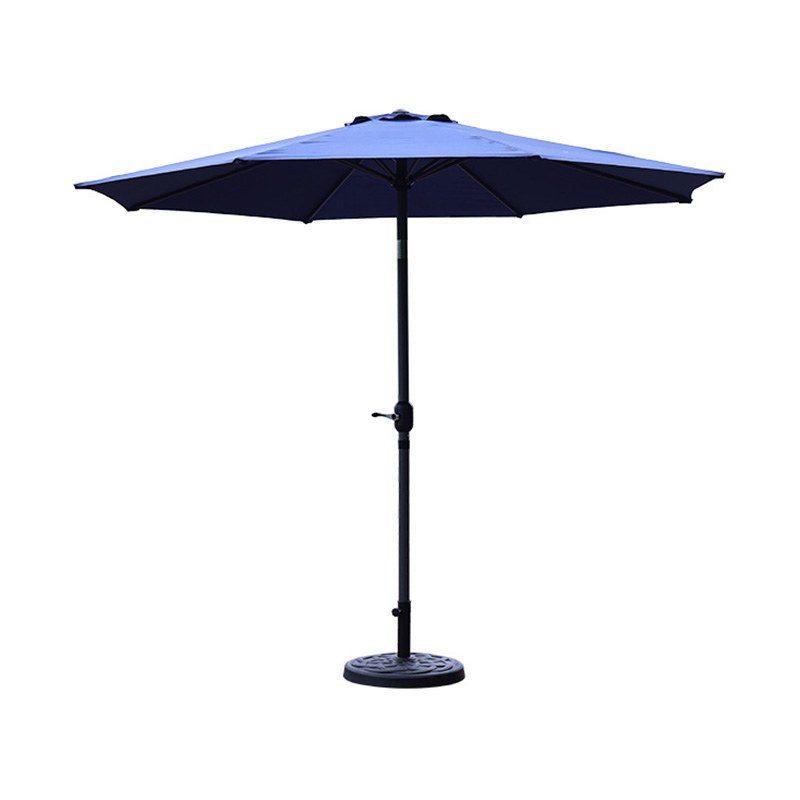

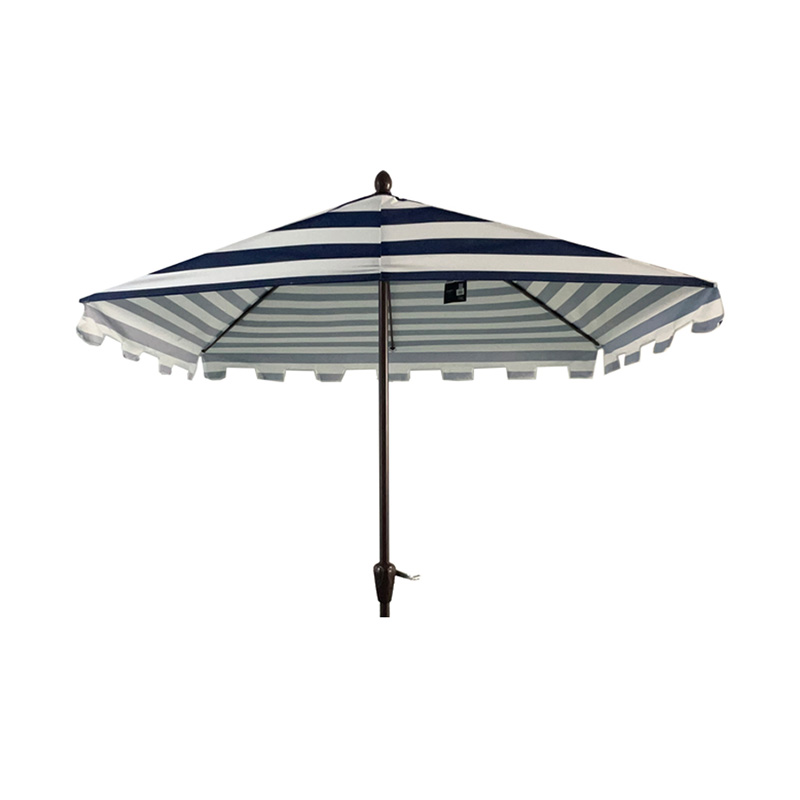
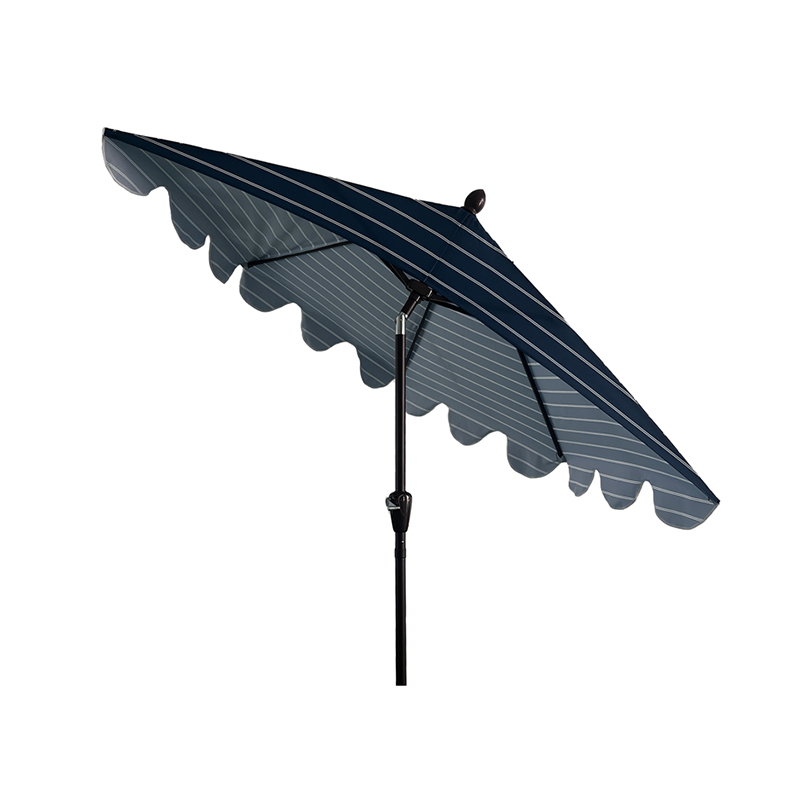
If you're interested in our products, feel free to contact us.
-
Tel
+86-13282608783Email
[email protected]Address
288 Jiangshi West Road, Linhai City, Zhejiang Province, China -
Links
Home Products About Us Support News Contact Us -
About
About Us Factory Certificate FAQ

Outdoor Furniture Manufacturer