
 English
 中文简体
中文简体
 Español


Striped Market Umbrella Focus Shifts Toward Wind Resistance and Durability
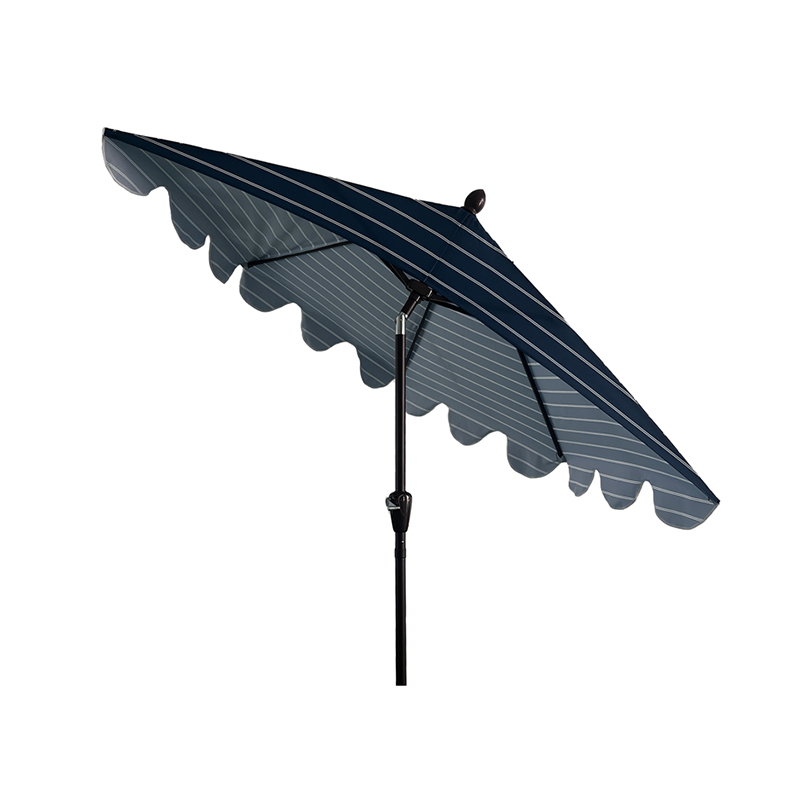
Outdoor shading solutions are increasingly evaluated not only by appearance but also by how they perform under changing weather conditions. In many residential patios and commercial outdoor environments, the Striped Market Umbrella is often selected as a balance between decorative design and practical protection. As usage scenarios expand, attention has gradually moved toward structural stability, long-term durability, and wind response performance.
Changing Priorities in Outdoor Umbrella Selection
In earlier outdoor setups, visual design often played a central role in umbrella selection. Over time, however, user experience in real weather conditions has reshaped expectations. Many buyers now place greater importance on how an umbrella behaves in open-air environments where wind conditions may vary throughout the day.
The Striped Market Umbrella is frequently used in patios, café seating areas, and garden spaces, where exposure to wind currents can influence stability. As a result, performance-related features have become a key part of evaluation during selection.
Wind Resistance as a Core Consideration
Wind resistance is one of the most discussed aspects in outdoor umbrella usage. In open spaces, airflow can shift rapidly, especially in coastal or elevated areas. This makes structural integrity a key factor in long-term usability.
Several design elements are commonly associated with improved wind handling:
- Ventilated canopy structures that allow airflow to pass through
- Reinforced rib systems that support canopy tension
- Flexible support materials that absorb movement
- Balanced weight distribution through base systems
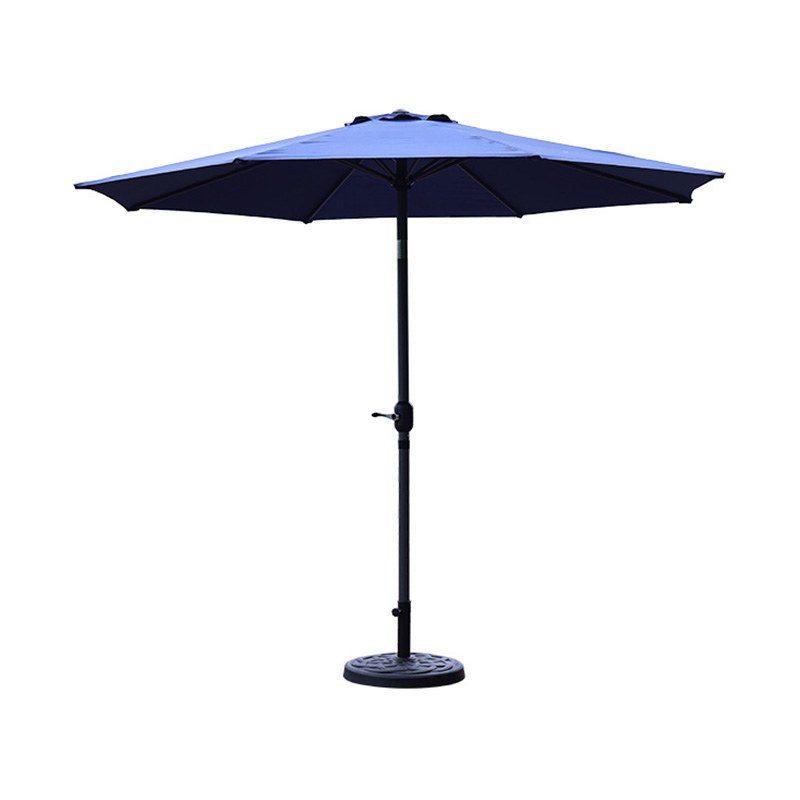
The Striped Market Umbrella often incorporates a vented top design, which helps reduce upward pressure during windy conditions. This design approach can contribute to more stable performance in exposed environments.
Structural Materials and Their Role in Stability
Material selection plays an important role in how an umbrella responds to external forces. Different frame materials offer different levels of flexibility and strength.
Common structural components include:
- Aluminum poles for lightweight support
- Fiberglass ribs for flexibility under pressure
- Steel-reinforced joints for added structural integrity
Each material combination influences how the umbrella reacts to wind movement. Flexible components may reduce breakage risk, while rigid supports help maintain shape consistency.
Durability in Long-Term Outdoor Use
Durability is closely linked to how well an umbrella maintains its condition over extended outdoor exposure. Sunlight, moisture, and wind all contribute to gradual wear over time. As a result, users often evaluate both frame and fabric performance together.
Key durability factors include:
- Resistance to UV exposure over repeated use
- Protection against fabric stretching or deformation
- Corrosion resistance in metal components
- Stability of stitching and seam construction
The Striped Market Umbrella is often used in environments where it remains installed for extended periods, making durability a key concern during selection.
Base Support and Anchoring Systems
Even with a well-designed canopy and frame, stability depends heavily on the base system. A properly weighted base can significantly improve performance in outdoor conditions.
Common anchoring approaches include:
- Weighted base plates for fixed positioning
- Sand-filled or water-filled supports for adjustable stability
- Ground insertion systems for semi-permanent setups
The relationship between umbrella size and base weight is often considered together, as larger canopies require stronger grounding to maintain balance.
Environmental Adaptability Across Settings
Different outdoor environments create different performance expectations. A garden patio may experience mild wind variations, while open commercial spaces may face more consistent airflow. This variation influences how durability and wind resistance are prioritized.
The Striped Market Umbrella is used across multiple settings, which increases the importance of adaptable design features. Users often select models that can handle both calm and moderately dynamic conditions without frequent adjustment.
Evolving Expectations in Outdoor Products
As outdoor spaces become more actively used for dining, socializing, and relaxation, expectations for shading equipment continue to evolve. Visual appeal remains important, but it is now closely matched with functional reliability.
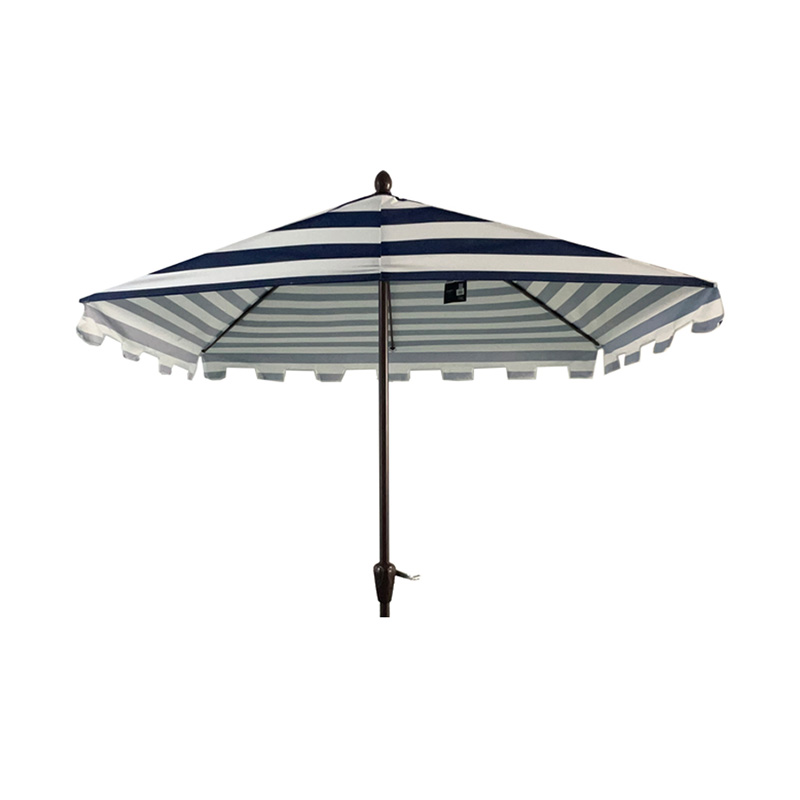
Wind resistance and durability are no longer secondary considerations but integrated parts of the selection process. The Striped Market Umbrella reflects this shift by combining structural engineering with recognizable design elements, allowing it to function in a wide range of outdoor environments without losing its visual identity.

If you're interested in our products, feel free to contact us.
-
Tel
+86-13282608783Email
[email protected]Address
288 Jiangshi West Road, Linhai City, Zhejiang Province, China -
Links
Home Products About Us Support News Contact Us -
About
About Us Factory Certificate FAQ

Outdoor Furniture Manufacturer