
 English
 中文简体
中文简体
 Español


Market Umbrella With Double Flap Factory: The Wind Vent That Saves the Frame
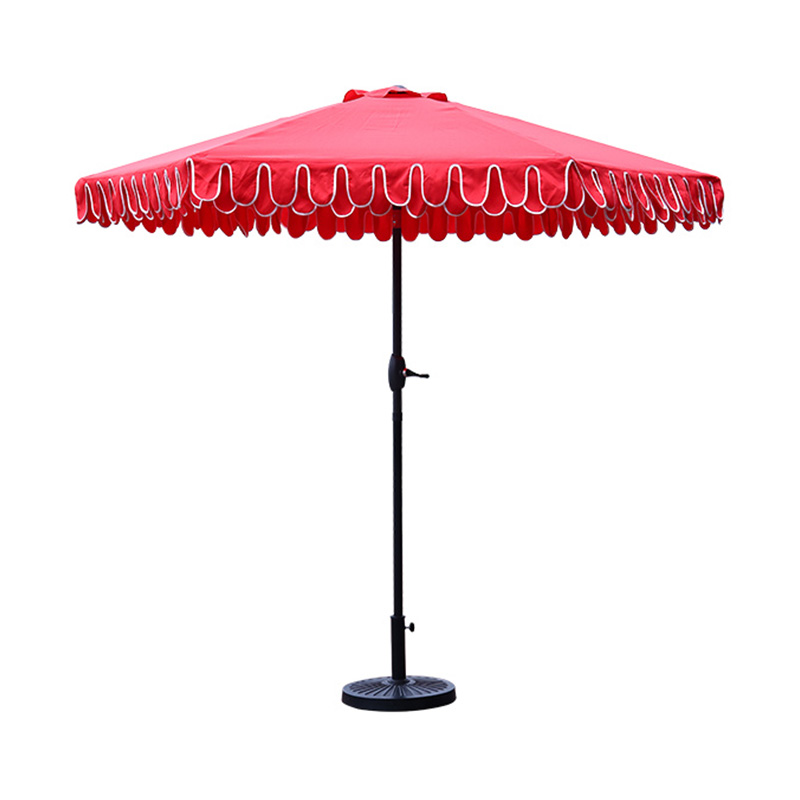
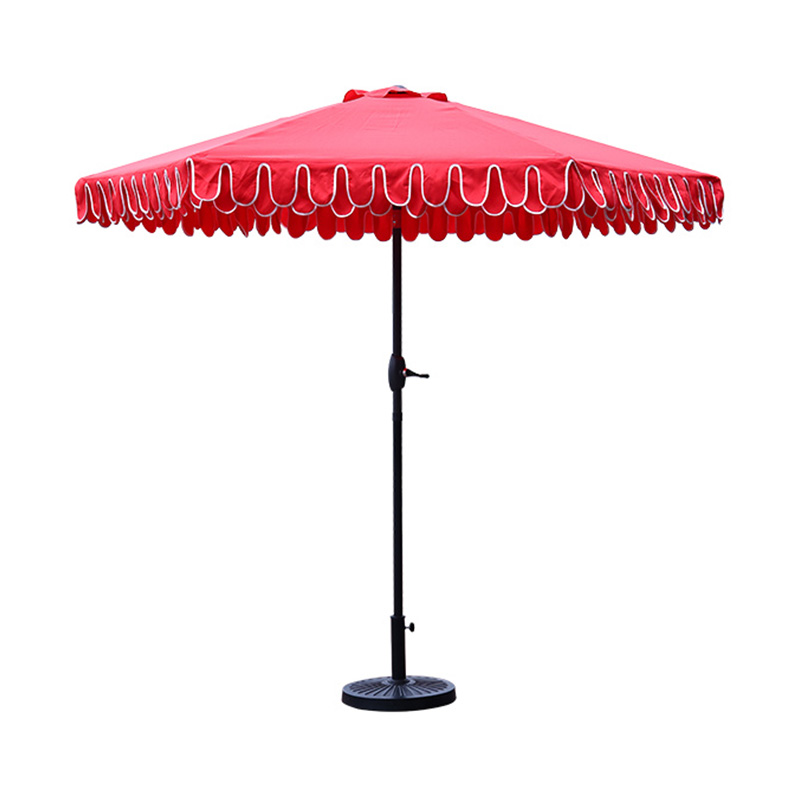
A market umbrella shades a table for hours. The canopy catches sun. It also catches wind. A sudden gust turns a solid canopy into a sail. The umbrella tilts, tips, or snaps at the ribs. A double flap—a secondary vented layer near the top—lets wind pass through instead of fighting it. A market umbrella with double flap factory that designs the vent geometry, the frame strength, and the canopy fabric together produces an umbrella that stays put when the weather turns.
The Double Flap Is Structural, Not Cosmetic
Wind hits a solid canopy and lifts it. The pressure differential between the underside and the topside pulls the umbrella upward. A double flap creates an escape path. Air flows between the two layers and out through the vent. The pressure equalizes. The umbrella stays down.
The overlap between the top cap and the main canopy determines whether the vent works. Too much overlap and the wind cannot escape fast enough. Too little and rain drips through onto the table. A market umbrella with double flap factory calculates the overlap based on the canopy diameter. A larger canopy needs a larger vent gap to handle the volume of air. The top cap should extend far enough below the main canopy edge to shed water outward while leaving enough open perimeter for airflow.
The Frame Takes the Load the Canopy Passes On
The double flap reduces wind lift. It does not eliminate it. The remaining force transfers through the ribs to the hub and down the pole. Aluminium ribs are light and corrosion-resistant. Steel ribs are stronger but need powder coating. Fibreglass ribs flex under load and return to shape, which handles sudden gusts better than rigid metal.
The hub is the most stressed component. Cast aluminium hubs with stainless steel fasteners hold up under repeated loading. Nylon hubs degrade in UV and become brittle. A market umbrella with double flap factory building for commercial use specs aluminium hubs and reinforced rib pockets where the ribs seat into the hub. The pole itself rarely fails. The failure sequence usually goes: rib pocket, hub, tilt mechanism. The factory that reinforces the first two builds a longer-lasting frame.
Canopy Fabric and Stitching
The canopy fabric takes sun, rain, and wind abrasion. Solution-dyed acrylic holds colour because the pigment runs through the fibre. Polyester is cheaper but fades and loses strength after a season or two of full sun. A market umbrella with double flap factory serving the hospitality market uses acrylic as standard. Polyester suits home use where the umbrella comes down when not needed.
Fabric weight affects drape and tear resistance. Acrylic runs 250 to 300 grams per square metre. Polyester runs lighter, around 200. The stitching at the rib pockets is where tears start. Double-stitched pockets with reinforced fabric patches spread the load. Single-stitched pockets concentrate stress and rip in wind.
Water repellency is a secondary concern for most buyers, but it matters in climates with sudden rain. A fluorocarbon or silicone finish sheds water. The finish degrades with washing and UV exposure. A market umbrella with double flap factory should quote the expected life of the water-repellent treatment in wash cycles or months of exposure.
Tilt and Crank Mechanisms
Most market umbrellas use a crank lift and a collar or push-button tilt. The crank raises and lowers the canopy via a steel cable or screw drive inside the pole. Steel cables fray where they rub against the pole interior. Screw drives jam if dirt enters the mechanism. A sealed gear housing with a smooth cable path extends the life of the crank.
The tilt joint takes stress when the umbrella is angled in wind. A cast aluminium tilt joint with a thick pivot pin stays tight. A stamped steel joint with a thin pin develops play. The umbrella droops. Eventually it will not hold a tilted position. Check a sample by tilting it fully and shaking the pole. The joint should not rattle or shift.
Bases Are Part of the System
An umbrella is only as stable as its base. A market umbrella with double flap factory usually sells the base separately, but the base specification is part of the engineering. A two-and-a-half-metre umbrella needs thirty to forty kilograms of base weight. Granite, cast iron, concrete, or a cross base with paving slabs all work. The critical detail is the fit between the pole and the base sleeve. A loose fit lets the umbrella rock in wind, work-hardening the pole at the base until it cracks.
Here is what to check when sourcing:
- Double flap overlap sufficient for the canopy diameter
- Aluminium or fibreglass ribs with reinforced hub pockets
- Solution-dyed acrylic fabric with double-stitched rib pockets
- Cast aluminium tilt joint with no play under load
- Base weight and pole sleeve fit matched to the umbrella size
A market umbrella with double flap factory that has tested the vent geometry in wind, reinforced the frame at the stress points, and selected fabric that holds up under UV produces an umbrella that shades tables for multiple seasons. One that treats the double flap as a style detail produces an umbrella that looks right in a photograph and fails in a gust. The difference shows up in the frame, the stitching, and the way the umbrella stands after a windy afternoon.

If you're interested in our products, feel free to contact us.
-
Tel
+86-13282608783Email
[email protected]Address
288 Jiangshi West Road, Linhai City, Zhejiang Province, China -
Links
Home Products About Us Support News Contact Us -
About
About Us Factory Certificate FAQ

Outdoor Furniture Manufacturer