
 English
 中文简体
中文简体
 Español


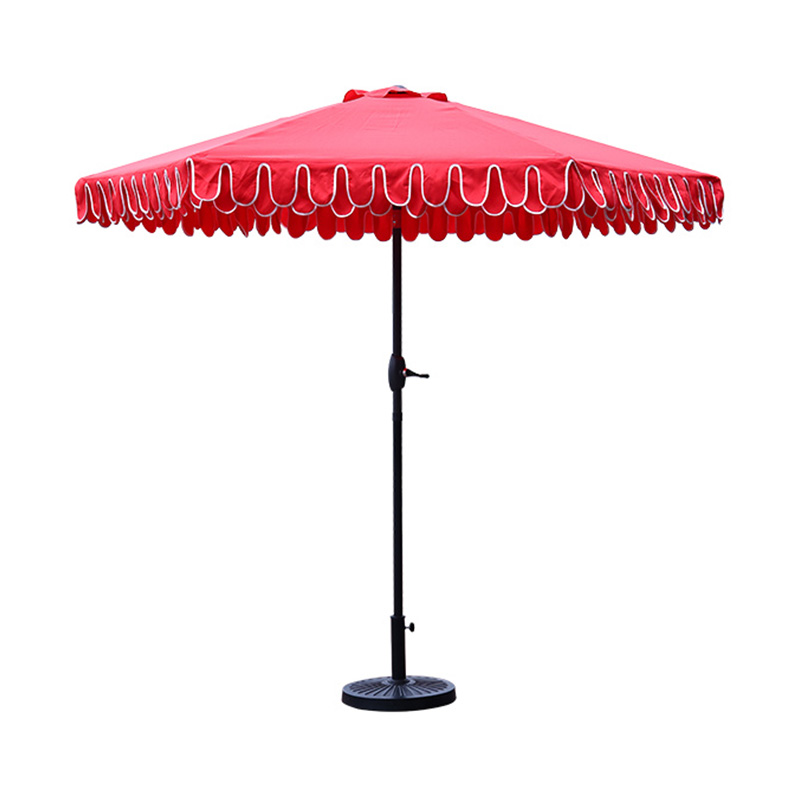
Market Umbrella With Double Flap: Shade That Stays Where You Put It
Anyone who has used a patio umbrella on a breezy day knows the frustration. The umbrella tilts. The shade moves. Or worse, the whole thing tips over. A market umbrella with double flap addresses this problem. Not with heavier poles or bigger bases. With fabric. Two flaps of material that attach to the canopy and wrap around the pole. Wind hits the umbrella, and the flaps create resistance. The umbrella stays put instead of spinning or wobbling.
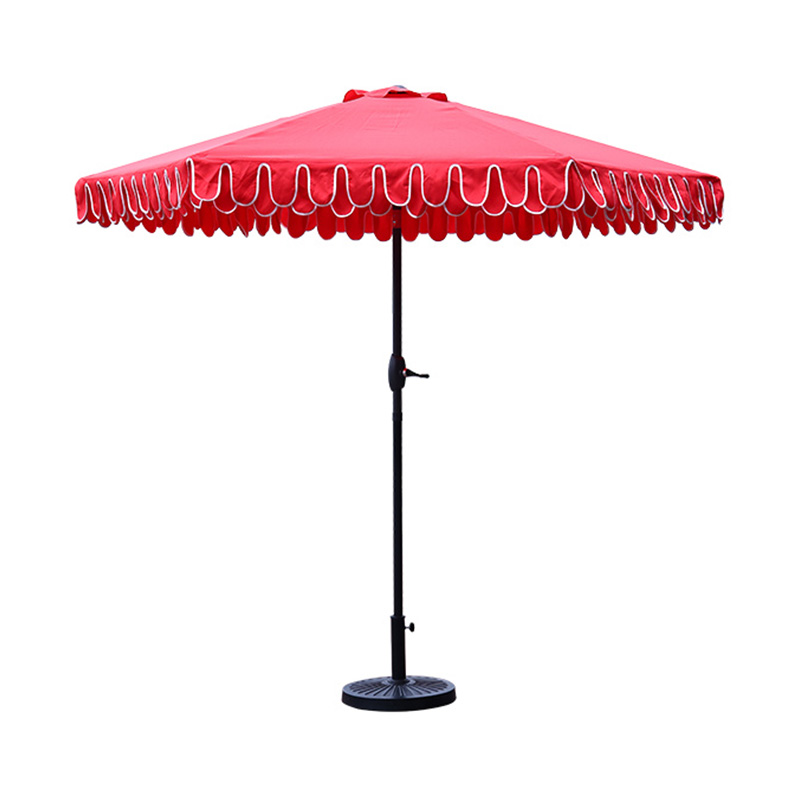
What Double Flaps Actually Do
The name sounds simple. Two flaps. But the engineering behind a market umbrella with double flap is clever. The flaps hang down from the canopy along the pole. When wind blows from any direction, it catches the fabric. The flaps tighten against the pole. This creates friction that resists rotation.
A standard umbrella without flaps spins freely in the wind. The canopy turns, the shade moves, and whatever you were trying to keep in the shade is now in the sun. With a market umbrella with double flap, the wind pressure locks the umbrella in place. The harder the wind pushes, the tighter the flaps grip.
Some designs use a single flap that wraps around the pole and fastens with Velcro or snaps. True double flap designs use two separate flaps that overlap. The overlap creates even more friction. No hardware to break or wear out. Just fabric against pole.
Beyond the Flaps: Other Features
A market umbrella with double flap is still a market umbrella. That means a few standard features you should expect.
Venting matters. A good market umbrella has a double canopy or wind vent at the top. Hot air rises. Without a vent, heat builds up under the canopy. The umbrella acts like a sail. With a vent, hot air escapes. The umbrella handles wind better. The double flap handles rotation. The vent handles lift.
Here is what to look for in pole and rib construction:
- Steel poles are heavy but strong; aluminum is lighter but can bend; fiberglass does not rust but costs more
- Eight ribs is standard for market umbrellas; six ribs is cheaper but the canopy sags
- The double flaps attach to specific ribs, so rib count and placement matters
Fabric Choices for Durability
The flaps on a market umbrella with double flap are made from the same fabric as the canopy. That fabric needs to hold up to sun and rain.
Solution-dyed acrylic is the gold standard for outdoor umbrellas. The color goes through the entire fiber. It does not fade in the sun. It resists mildew. Water beads up on the surface.
Polyester is cheaper. It fades faster. It breaks down in UV light after a couple of seasons. But a market umbrella with double flap made from polyester costs less upfront. For seasonal use in mild climates, polyester might be fine.
Olefin is another option. It resists moisture and dries fast. But it feels rougher than acrylic. Not as soft to the touch.
Look for UPF ratings. A market umbrella with double flap should block at least 90 percent of UV rays. quality fabrics are rated UPF 30 or higher. Some go to UPF 50 plus.
Where Double Flaps Make the Biggest Difference
Not every location needs a market umbrella with double flap. If your patio is sheltered by walls or trees, a standard umbrella works fine.
But open areas are different. A deck overlooking a lake. A pool in an open yard. A restaurant patio with no windbreak. Those places get constant breeze. The umbrella spins constantly. People get annoyed.
Commercial settings benefit most. Restaurants cannot have umbrellas spinning every time a guest gets up. The market umbrella with double flap keeps the shade where the server placed it. Fewer customer complaints. Less time adjusting umbrellas.
Residential use in windy areas also benefits. If your house sits on a hill or near open water, you know the wind. A standard umbrella becomes a spinning top. A double flap umbrella stays put.
What to Watch for When Buying
Not every umbrella labeled "double flap" works the same. Look at how the flaps attach. Cheap models sew the flaps to the canopy at one point only. They twist and bunch up. Better models attach along a seam or with multiple attachment points.
Check the overlap. The two flaps should overlap by several inches. Less overlap means less friction. The umbrella will still spin in strong wind.
Check the pole finish. Powder-coated aluminum or stainless steel resists rust. Bare steel rusts quickly outdoors.
Test the crank mechanism if the umbrella has one. A smooth crank is worth paying for. Cheap cranks bind and break.
Simple Solution to a Common Problem
A market umbrella with double flap solves a real annoyance. Wind spinning the umbrella drives people crazy. Heavier bases help with tipping but do nothing for rotation. The double flap addresses rotation directly. No moving parts. No hardware to break. Just two pieces of fabric doing a simple job well.
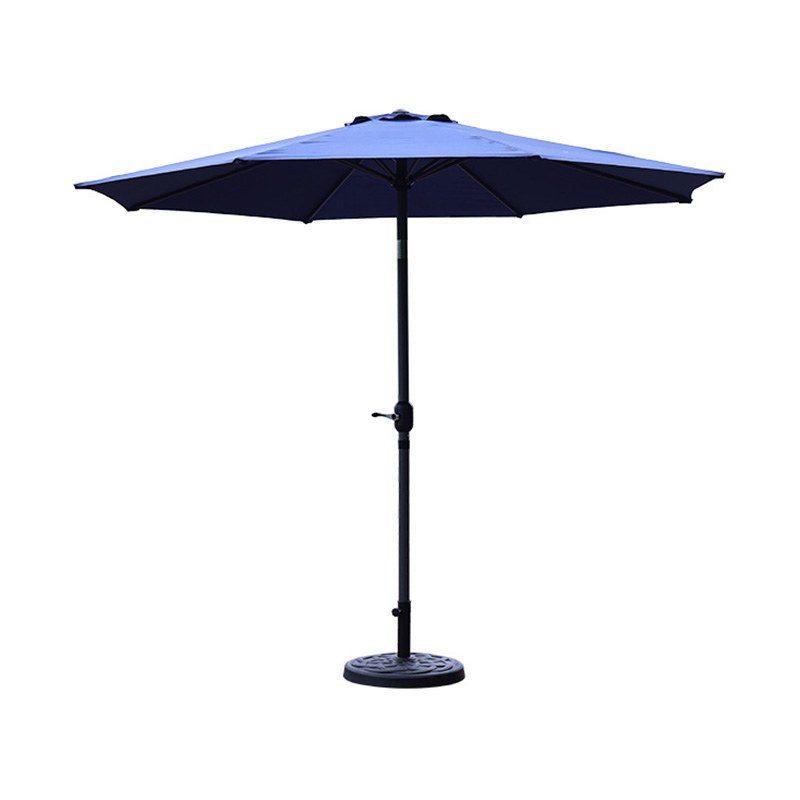

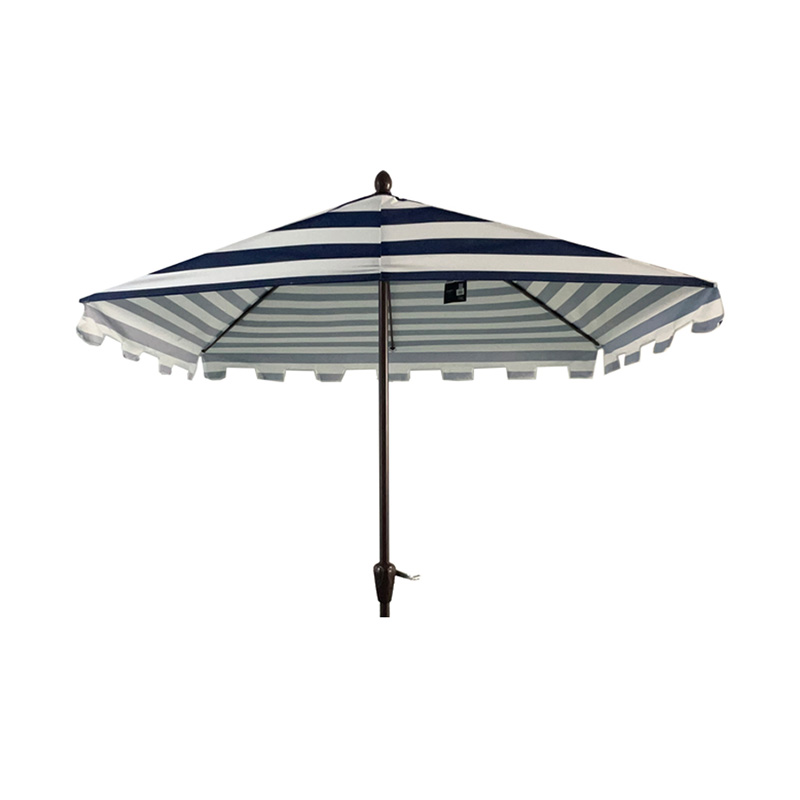
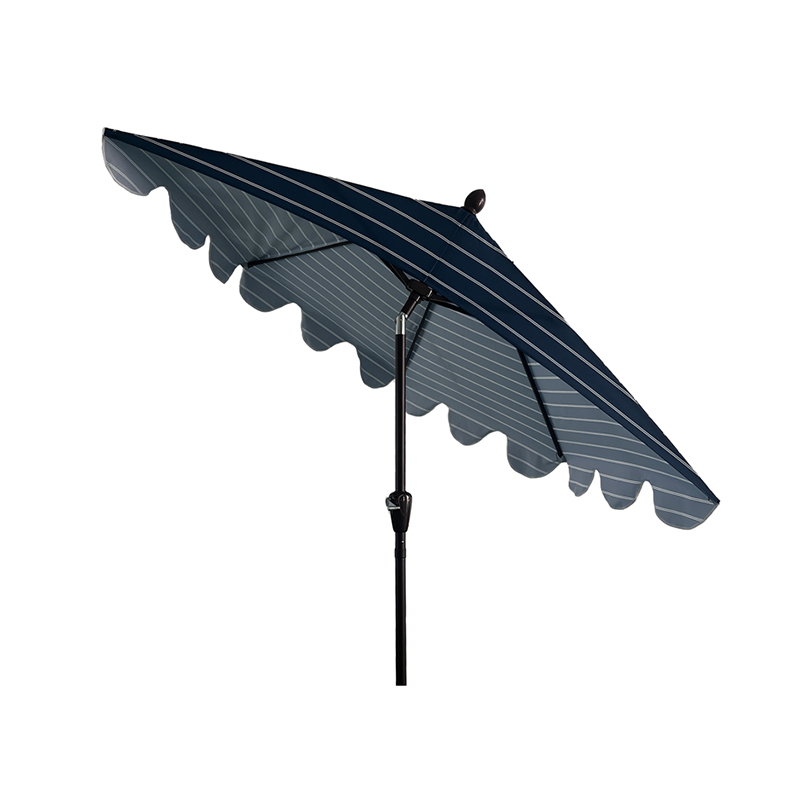
If you're interested in our products, feel free to contact us.
-
Tel
+86-13282608783Email
[email protected]Address
288 Jiangshi West Road, Linhai City, Zhejiang Province, China -
Links
Home Products About Us Support News Contact Us -
About
About Us Factory Certificate FAQ

Outdoor Furniture Manufacturer