
 English
 中文简体
中文简体
 Español


The Basics of Choosing the Right Parasol
Choosing the right umbrella can effectively block UV rays and protect your skin during hot summer days. Here are some basic things to consider when choosing a parasol:
1. Umbrella Material:
- UV Coating: Choosing an umbrella with a UV coating effectively blocks UV rays from the sun.
- Density and Thickness: The density and thickness of the umbrella material also affect the shade provided. High-density and thicker materials offer more effective sun protection.
2. Rib Material:
- Durability: Ribs should be strong and durable. Common options include aluminum alloy, carbon fiber, and steel. Each has its own advantages and disadvantages. Aluminum alloy is light but easily bends, carbon fiber is light and strong, and steel is strong but heavier.
- Wind Resistance: Choosing ribs with good wind resistance allows for use in windy conditions without breaking.
3. Umbrella Size:
- Coverage: A larger umbrella provides greater coverage, but also increases its weight and bulk. Choose the right size based on your needs.
4. Portability:
- Folding Umbrella: Folding umbrellas are easy to carry and suitable for everyday travel.
- Straight Umbrella: Straight umbrellas are generally larger and provide good shade, but are not as convenient to carry as folding umbrellas.
5. Design and Color:
- Personal Preference: Choose an umbrella's design and color based on your personal preferences. Some people may prefer understated colors, while others may prefer bright colors.
6. Brand and Price:
- Brand Reputation: Choose umbrellas from well-known brands, as they generally offer better quality and after-sales service.
- Budget: Choose an umbrella that suits your budget. More expensive products may feature superior materials and craftsmanship.
7. Usage:
- Daily Use: Choose a lightweight and portable umbrella.
- Outdoor Activities: Choose an umbrella with good wind resistance and a large shade area.
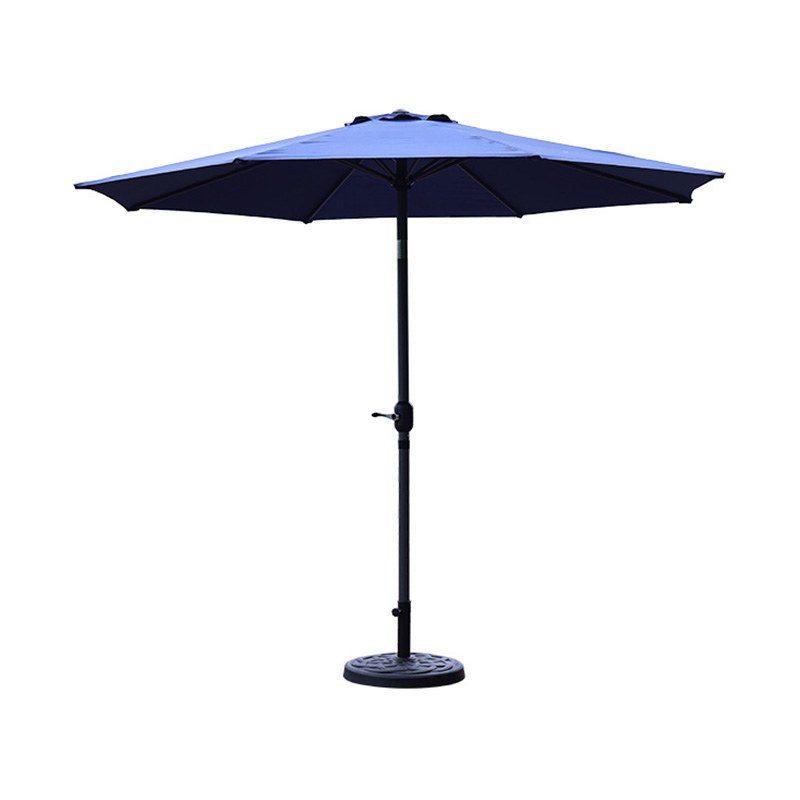

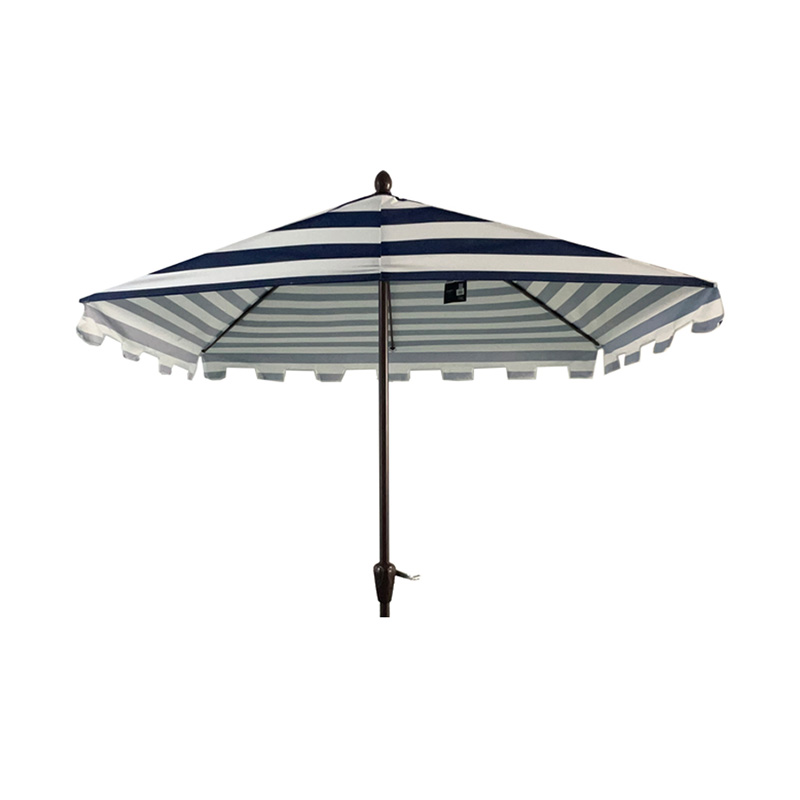
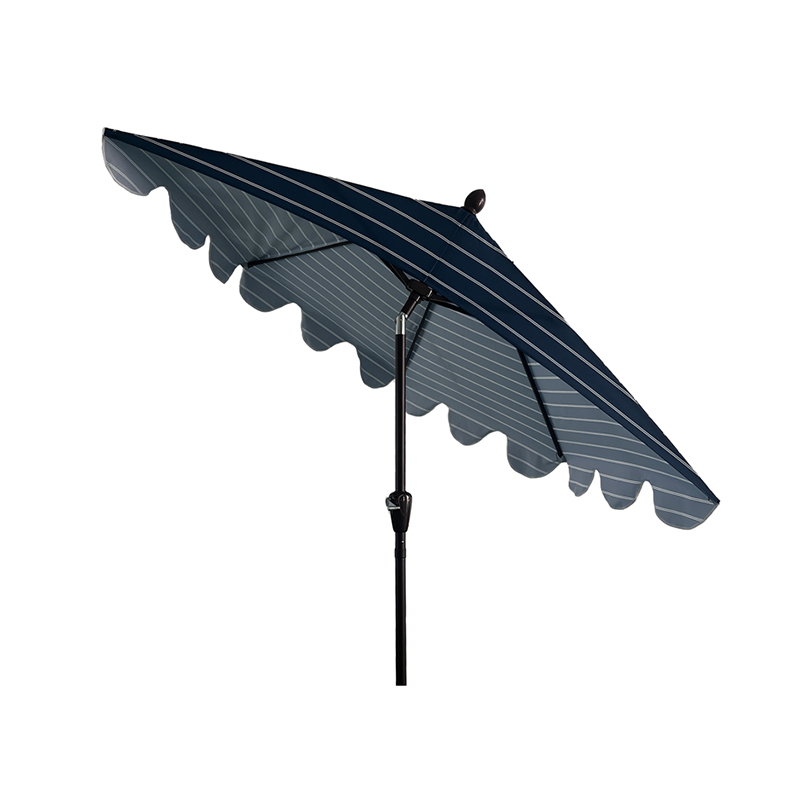
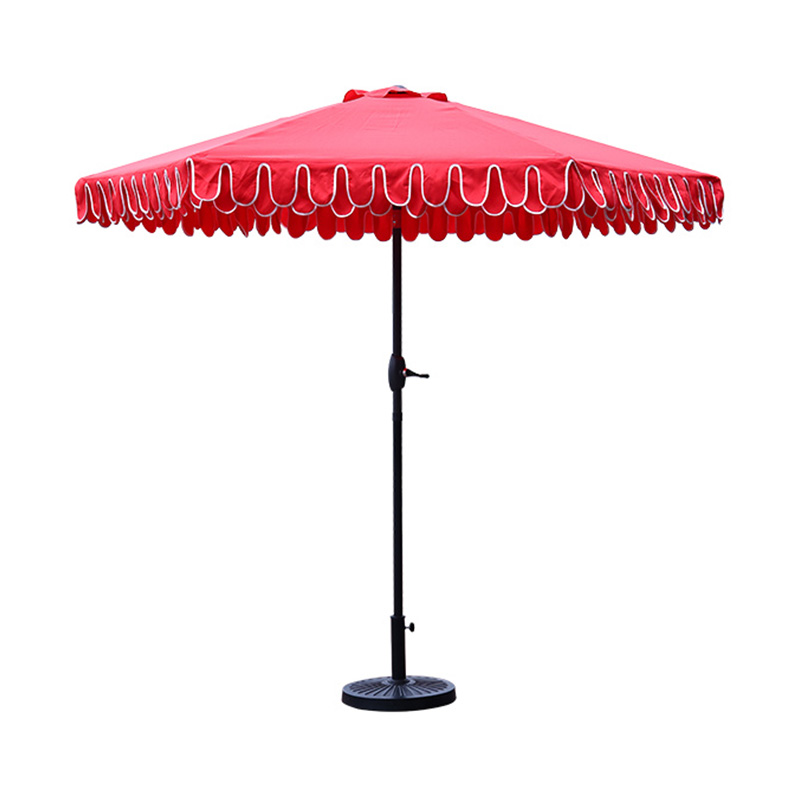
If you're interested in our products, feel free to contact us.
-
Tel
+86-13282608783Email
[email protected]Address
288 Jiangshi West Road, Linhai City, Zhejiang Province, China -
Links
Home Products About Us Support News Contact Us -
About
About Us Factory Certificate FAQ

Outdoor Furniture Manufacturer