
 English
 中文简体
中文简体
 Español


The Perfect Parasol For Your Garden and Balcony
When choosing a parasol for your garden or balcony, consider several factors to ensure it's both aesthetically pleasing and practical:
1. Size and Shape
- Fixed Size: For gardens and balconies, a larger parasol is often needed to provide adequate shade.
- Adjustable: Some parasols offer adjustable tilt angles to accommodate the sun's position at different times of day.
2. Material
- Canopy Material: Choose a durable, UV-resistant material, such as polyester or acrylic fabric.
- Brain Material: Aluminum or steel structures offer good support and stability.
3. Windproof Design
- Wind Resistance: Choose an umbrella with a wind-resistant design to ensure it won't tip over or become damaged in strong winds.
4. Stability
- Weight: A heavier base provides greater stability, especially in windy weather.
- Stationable: Choose a parasol that can be fixed to the ground or balcony for added stability.
5. Ease of Use
- Opening and Closing Mechanism: Choose an easy-to-operate opening and closing mechanism, such as manual or automatic.
- Rotation Feature: Some parasols can rotate, making it easy to adjust the direction of the shade.
6. Aesthetics
- Color and Pattern: Choose a color and pattern that matches your garden or balcony decor.
- Design: Choose a modern or traditional design based on your personal preference and the surrounding environment.
7. Maintenance
- Easy to Clean: Choose a parasol that is easy to clean and maintain to maintain a neat appearance.
8. Environmental Suitability
- Weather Resistance: Choose a weather-resistant parasol that can withstand the elements.
Example Product Recommendations
- Market Brand: Brands such as "Coolaroo," "Totes," and "Abba Patio" offer a wide variety of parasols suitable for outdoor use.
When choosing a parasol, consider the above factors and make a selection based on your specific needs and budget. Remember to check product reviews and warranty policies before purchasing to ensure you’re getting a high-quality product.
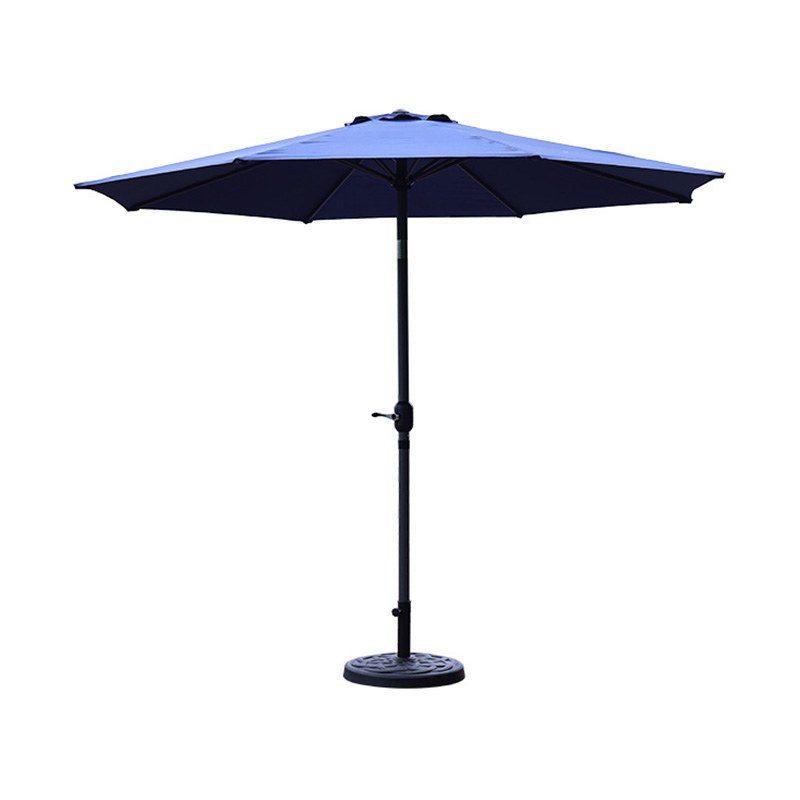

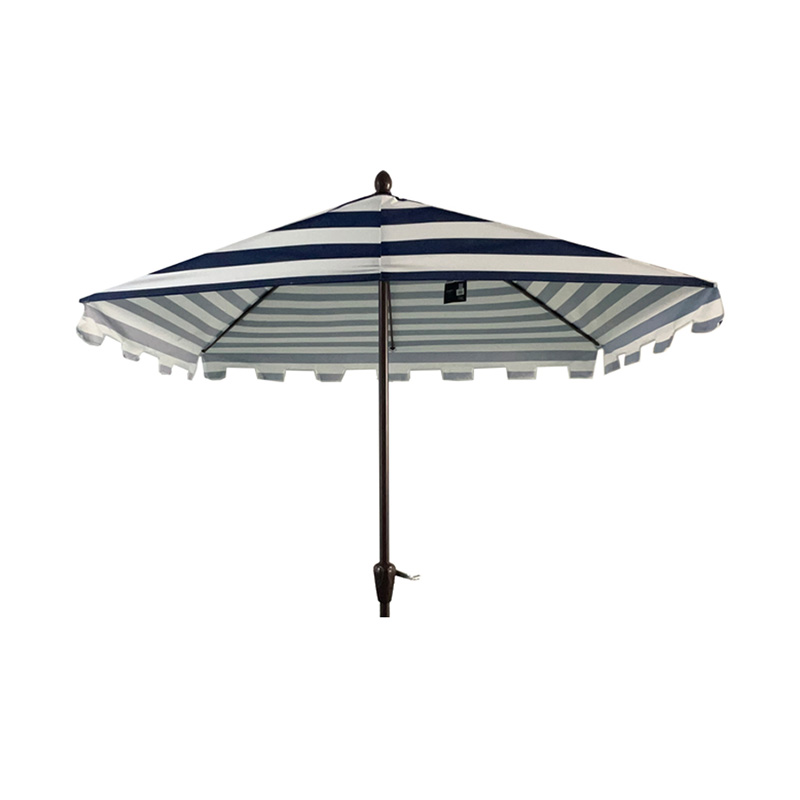
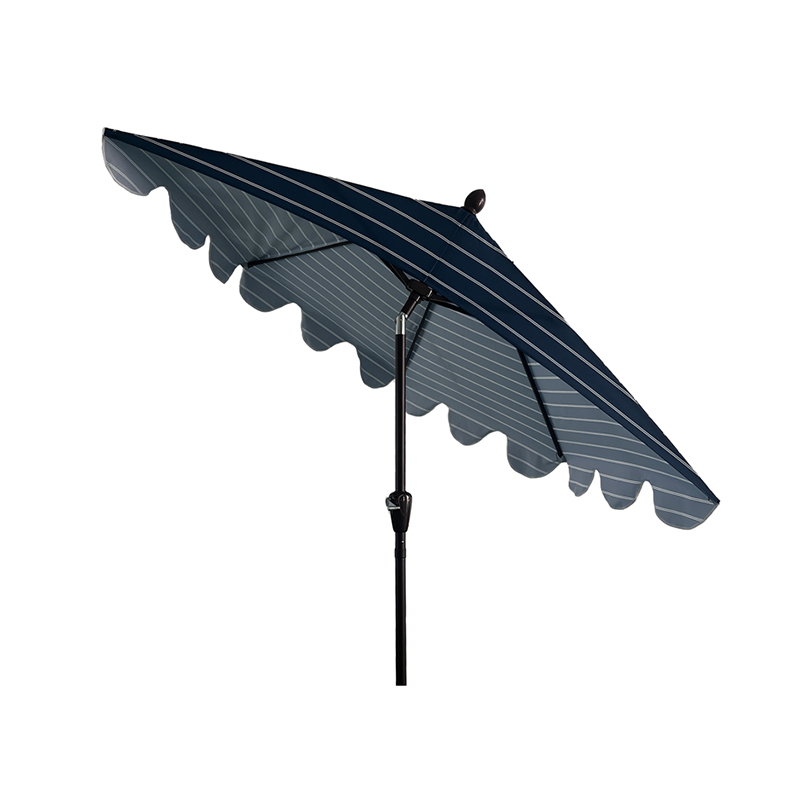
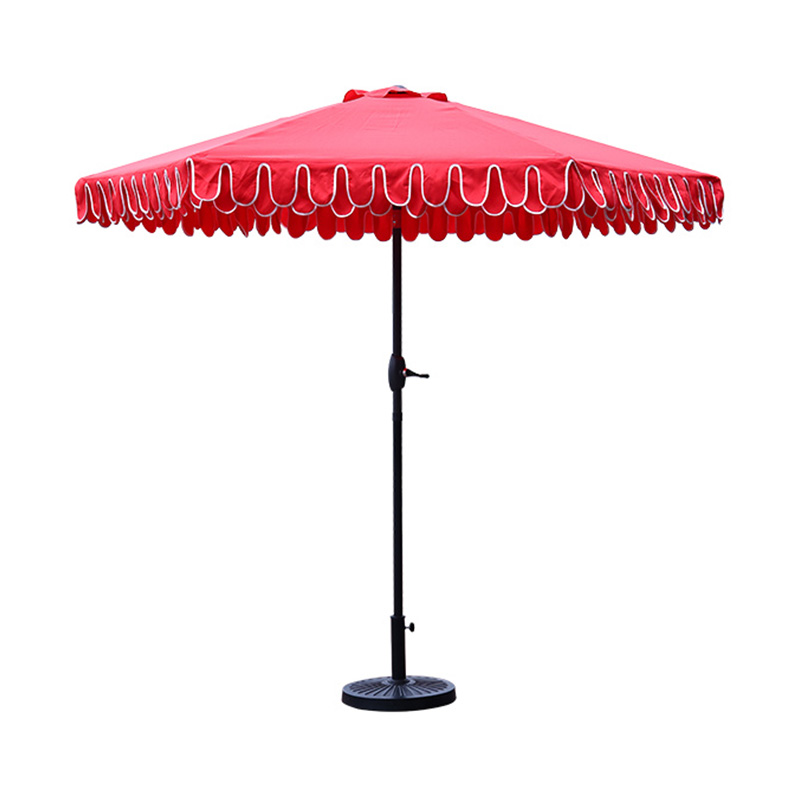
If you're interested in our products, feel free to contact us.
-
Tel
+86-13282608783Email
[email protected]Address
288 Jiangshi West Road, Linhai City, Zhejiang Province, China -
Links
Home Products About Us Support News Contact Us -
About
About Us Factory Certificate FAQ

Outdoor Furniture Manufacturer